

EMDR Therapy in New York & New Jersey
You can understand where your patterns come from and still feel stuck in them.
EMDR therapy can help you process experiences that continue to shape how you feel, respond, and connect with others—creating space for the past to feel less present in your life.
I provide virtual EMDR therapy for adults throughout New York and New Jersey who are navigating trauma, PTSD and C-PTSD, anxiety, attachment wounds, relationship patterns, and other experiences that continue to affect the present.

What Is EMDR Therapy?
Eye Movement Desensitization and Reprocessing (EMDR) is an evidence-based psychotherapy approach that helps the brain process distressing experiences and memories that may continue to feel emotionally activating in the present.
Sometimes, you can understand an experience logically and still notice that your emotions, body, or nervous system respond as though the experience is happening now. EMDR works with the thoughts, emotions, physical sensations, and beliefs that may have become connected to those experiences.
Rather than relying exclusively on traditional talk therapy, EMDR uses bilateral stimulation—such as guided eye movements or other forms of alternating stimulation—as part of a structured therapeutic process.
The goal isn't to erase what happened or forget the past. Instead, EMDR can help reduce the distress associated with difficult experiences so they have less influence over how you feel and respond in the present.
Who Can EMDR Help?
-
EMDR can be helpful for those experiencing a wide range of concerns, including trauma and PTSD, anxiety, phobias, distressing memories, grief and loss, painful relationship experiences, negative beliefs about themselves, and other experiences that continue to cause emotional distress.
-
No. You do not need a PTSD diagnosis—or even identify an experience as a big “T” trauma to benefit from EMDR. Repeated adverse experiences such as rejection, difficult relationships, loss, instability, or painful messages about yourself can continue to influence emotions, beliefs, and patterns in the present.
-
EMDR therapy follows an eight-phase treatment approach that includes history taking and treatment planning, preparation, assessment, desensitization, installation, body scan, closure, and reevaluation. Not every session involves reprocessing or bilateral stimulation, and you may spend multiple sessions within a particular phase depending on your needs. When reprocessing is appropriate, bilateral stimulation—such as guided eye movements or other forms of alternating stimulation—is used while working with targeted memories and associated thoughts, emotions, beliefs, and physical sensations. The process is individualized and progresses at a pace appropriate for each client.
-
No. EMDR does not require you to describe every detail of a distressing experience out loud. We will discuss what is necessary to understand your experiences and guide treatment, but the process can often occur without giving an extensive verbal account of everything that happened.
-
Yes. EMDR can be provided through telehealth using adaptations for bilateral stimulation and other parts of the EMDR process. My practice is fully virtual, and I provide online EMDR therapy to clients located throughout New York and New Jersey.
-
EMDR is not a one-size-fits-all approach. We will consider your current concerns, history, goals, coping resources, and readiness before determining whether EMDR is appropriate for you. If we incorporate EMDR into treatment, the process and pace will be individualized to your needs.
My Approach to EMDR
I approach EMDR through a trauma-informed, individualized lens rather than treating it as a one-size-fits-all process. Therapy is tailored to your history, needs, goals, and readiness, with attention to creating a strong foundation before moving into reprocessing.
My work integrates EMDR with attachment-informed, acceptance-based, cognitive, insight-oriented, mindfulness, and mind-body approaches. I pay attention not only to thoughts and emotions, but also to how experiences may show up within the body and nervous system.
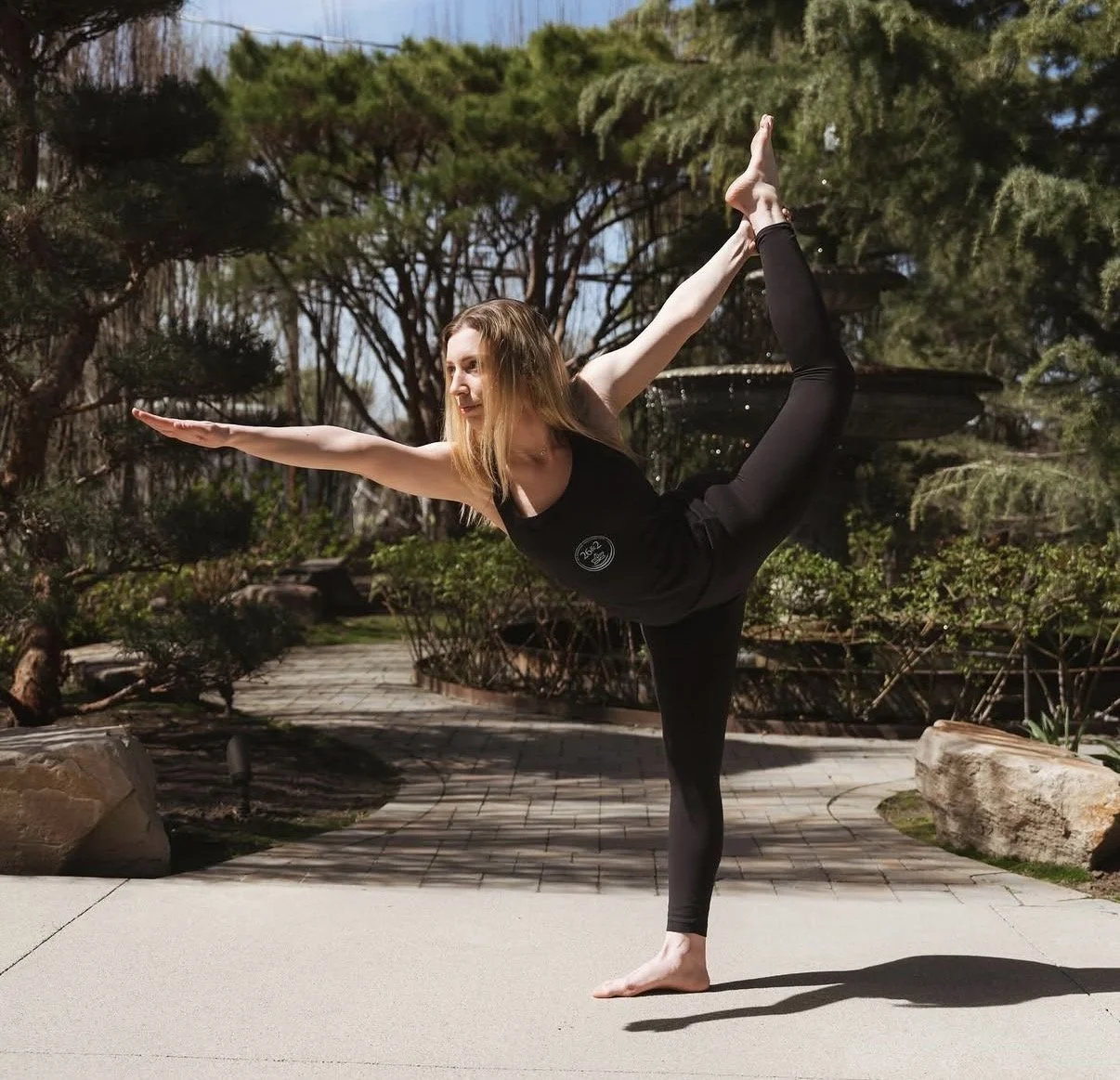
As both a mental health counselor and yoga teacher, I bring an understanding of the mind-body connection and nervous system regulation into my work when appropriate. I completed EMDR basic training in 2024 and continue to participate in ongoing EMDR consultation and professional training.
Online EMDR Therapy in New York & New Jersey
My practice is fully virtual, allowing you to access EMDR therapy from the privacy and convenience of your own space. I work with adults located throughout New York and New Jersey and tailor the EMDR process to the telehealth setting.
You don't need to know whether EMDR is the “right” approach before reaching out. Part of our work together is understanding what you're experiencing, what you'd like to change, and which therapeutic approaches may best support those goals.
If you're interested in exploring whether EMDR may be a good fit for you, I encourage you to reach out to schedule a complimentary 15-minute consultation.